
Take Action for Clean Air
Small, practical choices add up. Here are steps you can take to reduce your impact on air quality in the Research Triangle Region — at home, at work, and at the wheel.
Three everyday settings
Where to Start
Most air quality impacts come from ordinary routines: how we heat and cool our homes, how we get to work, and how we care for our vehicles. Pick the section that matches your day and start with one or two changes.
At Home
Use Energy Wisely at Home
Household energy use and the appliances we run contribute to emissions that affect regional air quality. Energy-saving habits and smart appliance management can make a difference.
- Turn off lights and electronics when you leave a room.
- Choose energy-efficient appliances when replacing old ones.
- Set thermostats to sensible settings rather than heating or cooling empty spaces.
- Run laundry and dishwashers full, and air-dry clothes when you can.
- Keep your vehicle and lawn equipment maintained between service visits.
Read more air quality facts on outdoor and indoor conditions, or explore the K-5 curriculum to bring clean air lessons into the classroom.

At Work
Conserve Energy and Commute Smarter
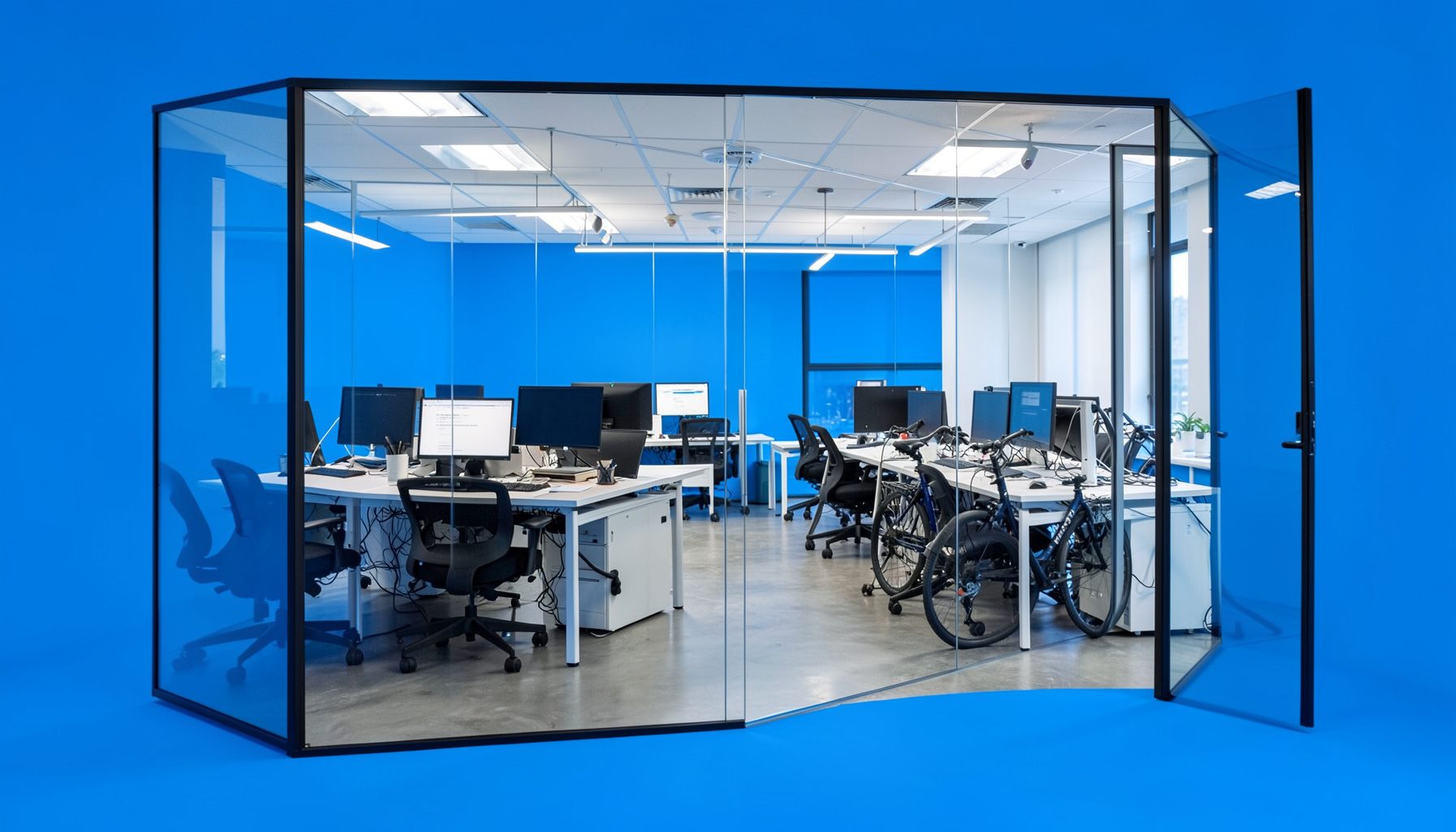
Workplaces shape how people travel each day and how much energy buildings use. A few habits can cut both.
- Ask your employer about commuter benefits such as transit support, carpool incentives, or flexible start times.
- Share a ride or join a carpool for commutes, especially during peak ozone days.
- Turn off lights, monitors, and shared equipment at the end of the day.
- Set office heating and cooling to energy-saving settings.
- Consolidate deliveries and errands to reduce duplicate trips.
Business organizations can also join the Business Coalition to promote clean air practices and share member resources.
At the Wheel
Reduce Idling, Maintain Vehicles
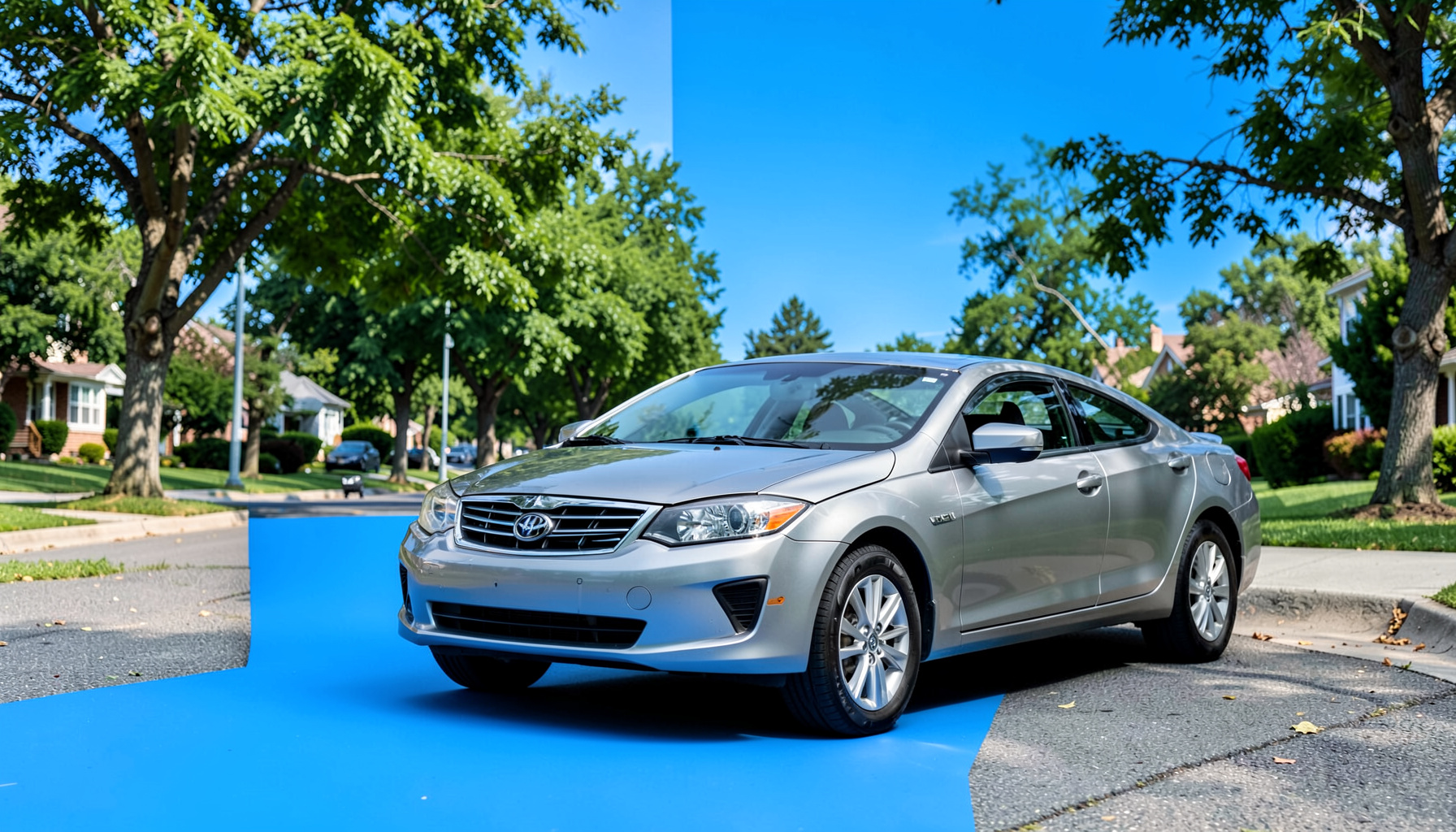
On-road vehicles are a leading source of regional air pollution. Keeping vehicles in good shape, cutting unnecessary idling, and exploring alternative fuels all help.
- Limit idling at stops, drive-throughs, and in parking lots.
- Keep your vehicle serviced and its tires properly inflated so it runs efficiently.
- Consider alternative fuels or more fuel-efficient vehicles for your next purchase.
- Combine errands into fewer trips, and avoid peak traffic hours when you can.
North Carolina's plug-in electric vehicle readiness work has included Raleigh joining "Project Get Ready" in 2009 and a 2011 Department of Energy PEV readiness planning grant for the state.
Regional context
The 13-County Research Triangle Region
Triangle Air Awareness is a public/private partnership that serves the 13-county Research Triangle Region of North Carolina, working with the N.C. Department of Environment and Natural Resources and the Research Triangle Regional Partnership. Regional air quality is shaped by many sources at once, so coordinated action at home, at work, and on the road matters.
| Setting | Typical actions | Where to learn more |
|---|---|---|
| At Home | Energy savings, appliance management, efficient heating and cooling | Health and indoor air quality facts |
| At Work | Commuter benefits, carpooling, office energy conservation | Business Coalition member benefits |
| At the Wheel | Reduced idling, vehicle maintenance, alternative fuels | Economic impact and outdoor air facts |
| In the Classroom | Curriculum and free books for teachers | K-5 Curriculum |
Air quality in the Research Triangle Region is shaped by everyday decisions made in homes, workplaces, and vehicles. Small, practical choices add up, and the Triangle Air Awareness coalition exists to help individuals, businesses, schools, and local leaders understand how their daily habits connect to the health of the communities they share. Learning the basics about air quality, how forecasts are issued, and what pollutants mean makes it easier to make informed choices that reduce pollution exposure for everyone who lives, works, and plays here.
Most air quality impacts come from ordinary routines: the way we heat and cool our homes, the way we get to work, and the way we care for our vehicles. Each of those routines offers room for improvement without requiring dramatic lifestyle changes. By focusing on a handful of realistic actions rather than an overwhelming list, people can build habits that stick and that gradually lower the demand for energy and fuel across the region, improving outdoor air quality and supporting a healthier community over time.
At home, using energy wisely means understanding how household energy use and the appliances we run contribute to emissions. Programmable thermostats, sealing drafts around windows and doors, choosing efficient equipment, and being thoughtful about heating and cooling seasons all reduce the energy a home demands. Simple maintenance and consistent awareness of what is running and when also help families cut waste, lower utility burdens, and contribute to cleaner regional air.
At work and at the wheel, choices shape emissions just as much as they do at home. Teleworking, carpooling, consolidating trips, driving fewer miles, and keeping vehicles properly maintained all reduce the amount of pollution a single commuter or employer produces. Employers can support their teams by encouraging flexible schedules, supporting telework options, and adopting smarter fleet and travel practices, while commuters can reward cleaner transportation with simple habits that fit into an ordinary week.
Because clean air is a shared goal, awareness only grows when people talk, learn, and act together. Educational materials, curriculum resources for teachers, and program updates help spread accurate information about air quality, forecasts, and the economic and health impacts of pollution across the region. Staying informed about upcoming events and available resources gives residents, businesses, and community partners a chance to participate meaningfully, turning individual action into collective progress for the Triangle region.